

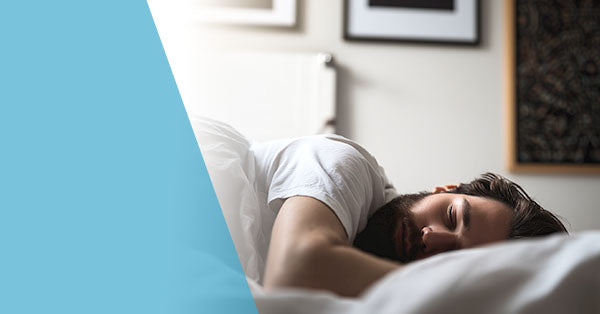
Stress is a natural protective reaction of the body, but when it becomes chronic, it can have long-term effects – including sleep problems or even insomnia.
When you're under stress, your body activates the "fight or flight" response – your heart rate speeds up, breathing quickens, and stress hormone levels rise. Even after the cause of stress subsides, your body can remain in this tense state.
The good news is that there are techniques that help calm the nervous system, slow down your heart rate and breathing, lower blood pressure, and make you feel more relaxed.
The best relaxation techniques before bedtime
1. Mindfulness meditation
This practice helps you observe your thoughts and emotions without judgment. The goal is to remain fully in the present moment, without distraction.
If you're just starting with meditation, it might be difficult, but it gets easier with practice. Meditation has been shown to reduce sleep disturbances and anxiety.
2. Guided meditation
Here, someone guides you through voice or audio recording to imagine calming places or situations. Nature sounds or relaxing music are often used as well. You can try such meditations before sleep or even at night if you wake up and can't fall back asleep.
3. Meditative movements
Yoga, Tai Chi, and Qigong combine gentle movements, controlled breathing, and focused attention. They don't require special equipment, you can practice them at home, and they are an excellent way to reduce stress and improve your sleep quality.
4. Deep breathing
Start with something simple – place a hand on your belly, inhale slowly, hold for a moment, then exhale smoothly. This calms the nervous system and prepares the body for sleep. You can also try popular techniques like "4-7-8 breathing."
5. Progressive muscle relaxation
Tense and then relax your body's muscles sequentially – starting from your toes and working up to your face. This releases physical tension and makes it easier to fall asleep.
6. Biofeedback
With the help of special devices, you can monitor your heart rate, blood pressure, or muscle activity and learn to control them. This technique is useful for chronic stress, anxiety, or insomnia, but it is best done under the supervision of a specialist.
How to reduce stress in your bedtime routine?
-
Create a good sleep environment – a dark, quiet, and cool room.
-
Limit alcohol and caffeine – they interfere with deep sleep and increase anxiety.
-
Take a warm shower or bath – this relaxes the body and helps you fall asleep faster.
-
Avoid blue light – put away your phone and computer at least an hour before bedtime.
-
Create an evening ritual – go to bed and wake up at the same time, even on weekends.
-
Keep a journal – pour your thoughts and worries onto paper so you don't carry them to bed with you.
Good daytime habits for less evening stress
-
Move regularly – even 20-30 minutes of walking daily improves sleep and reduces anxiety.
-
Wake up at the same time every day – this stabilizes your biological clock.
-
Practice relaxation techniques during the day as well, to lower your stress level before it builds up.
Regular application of these techniques can help you feel calmer in the evening and sleep better. If sleep problems persist, talk to a doctor – there might be an underlying cause that needs attention.
Leave a comment